If there’s one thing that really separates a good kitesurfing session from a frustrating one on Hayling Island, it’s wind direction.
The island sits in a pretty exposed position on the south coast, which means we get a wide range of wind angles throughout the year. Some are excellent for learning, others are better left to experienced riders.
From a beginner perspective, south-westerly and westerly winds are usually the most reliable. They tend to come in at a helpful angle — not too offshore, not too chaotic — which gives you a safer and more predictable learning environment.
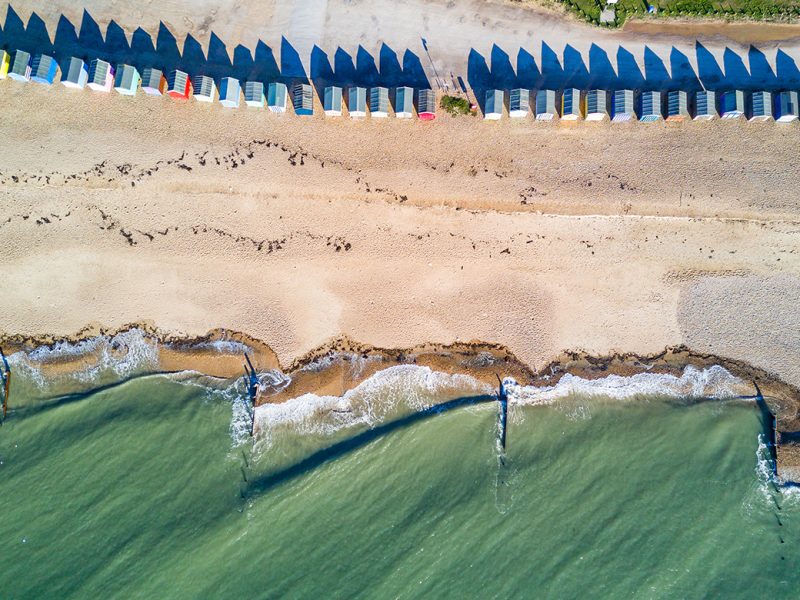
What makes Hayling interesting is how much the tide changes things. At low tide, large sandbanks are exposed, creating wide, shallow areas that are ideal for practice. At high tide, the water comes right in and conditions become more dynamic.
That’s why local knowledge matters so much here. The same wind can feel completely different depending on the tide, the launch spot, and even the time of year.
Beginners are always guided carefully into suitable conditions — there’s no such thing as “just going out and trying it” safely without understanding what the wind is doing.
If you want a broader breakdown of local conditions and FAQs, we cover that here:
https://cbk-haylingisland.com/about/faq/
The important takeaway is simple: Hayling Island is excellent for kitesurfing, but it rewards people who understand how the conditions work rather than just relying on wind strength alone.